

Food Notes: 5/26 Rutgers Tomato
Tomatoes, gardens, cheese theft, and more

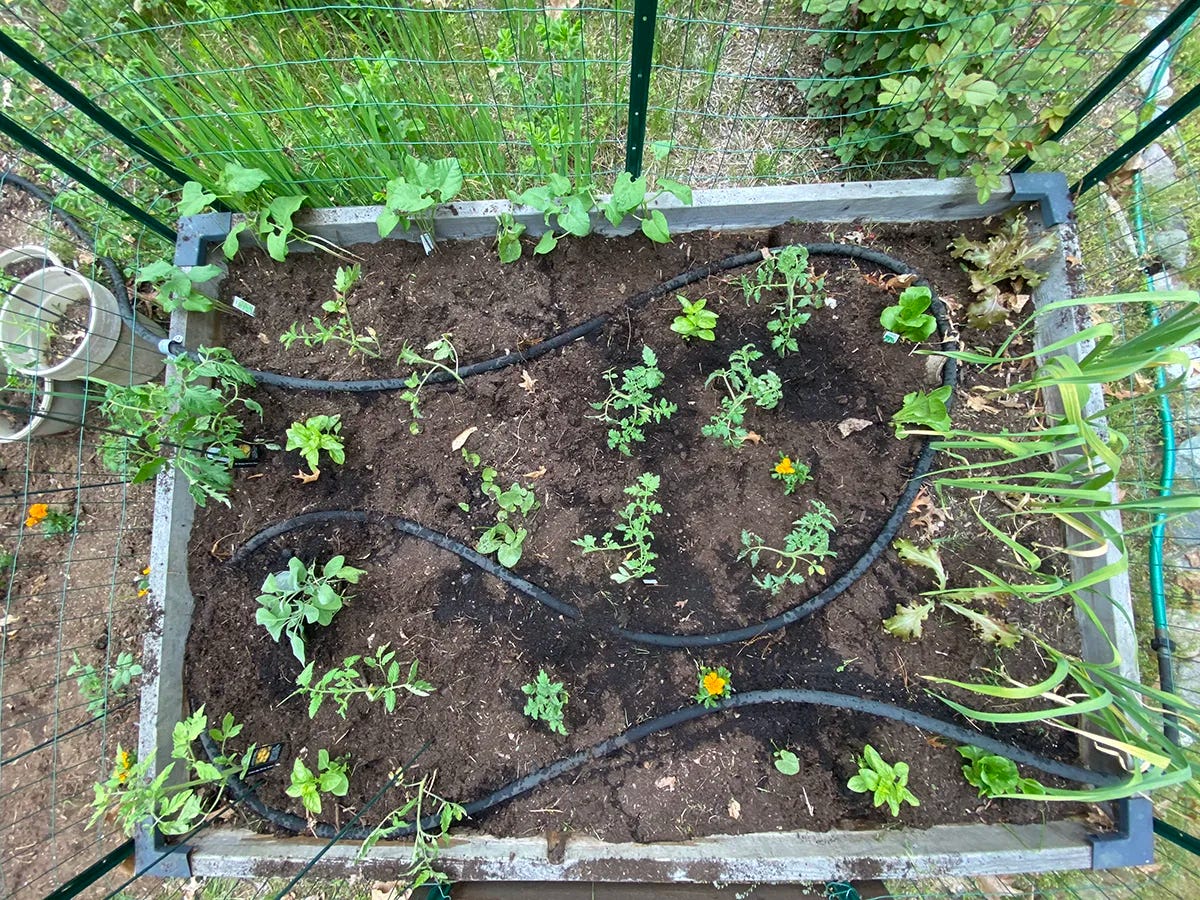
We spent Memorial Day weekend on Cape Cod, and that means it was planting season. But the process started a few weeks ago when I planted some tomato seeds in old yogurt cups and started growing seedlings.
Tomato prices are rising. The costs are up 40% since April, thanks to war, tariffs, and energy prices. And there’s not much to do about it.
I recall a joke someone made on social media a few years back about harvesting $20 worth of vegetables from $400 in gardening supplies. That’s a real trap, even if the price of tomatoes is rising.
I do have about a dozen tiny seedlings I grew from seed that were too small to plant, so of course I headed over to the hippie grocery store and nursery and loaded up a tray with bigger seedlings.
Gardening isn’t actually about saving money. I’m not homesteading here. I just want some very fresh vegetables, and the opportunity to resurrect long forgotten plants, like the local Eastham turnip seeds my brother was gifted from a local barber a few years back. They never did sprout, but I’m not a huge turnip fan.
Tomatoes on the other hand, are sort of my thing. And they have been undergoing some serious innovation ever since they crossed paths with humans in South America a few thousand years ago. The tomato’s ancestor was probably first found in Peru or Ecuador. They looked nothing like modern tomatoes until Mesoamericans began cultivating them.
The Aztecs selectively bred tomatoes into edible fruits resembling what we eat today, though they were more likely golden in color. When the Spanish invaded, they stole seeds and plants and imported the tomato to Europe. Initially it was ornamental, the yellow flowers added to English gardens. But slowly Europeans adapted to eating them, and once the fruits became food, farmers began selectively breeding them.
Some of these changes happened accidentally, like the San Marzano varietal which is thought to have arisen from a natural mutation. Other changes have been achieved through intentionally choosing characteristics that were deemed desirable.
One of the earlier challenges was that tomato crops ripened and then rotted relatively quickly. Preservation was essential, but also limited access to fresh fruits. Breeding programs set out to address the problem. For instance, an early pamphlet on growing tomatoes in Texas advised farmers to collect seeds from early ripening and late ripening tomatoes, and growing those seeds in an effort to spread out the growing season.
In the 20th century, tomato breeding was industrialized, and the tomatoes designed for commercial purposes often selected for qualities unrelated to flavor. A labor shortage encouraged tomatoes with thicken skins that could be processed by machines. Mass consumption of tomatoes on hamburgers encouraged producing perfectly spherical red balls that looked pretty and shipped well.
More recently, tomato development has turned back to improving flavor. Grape tomatoes, developed in the 1990s, offered a balance of taste and portability, and modern varietals, grown in hot houses, picked ripe, and packaged under brandnames in plastic clamshells command a premium price. They also offer fresh tomato flavor out of season.
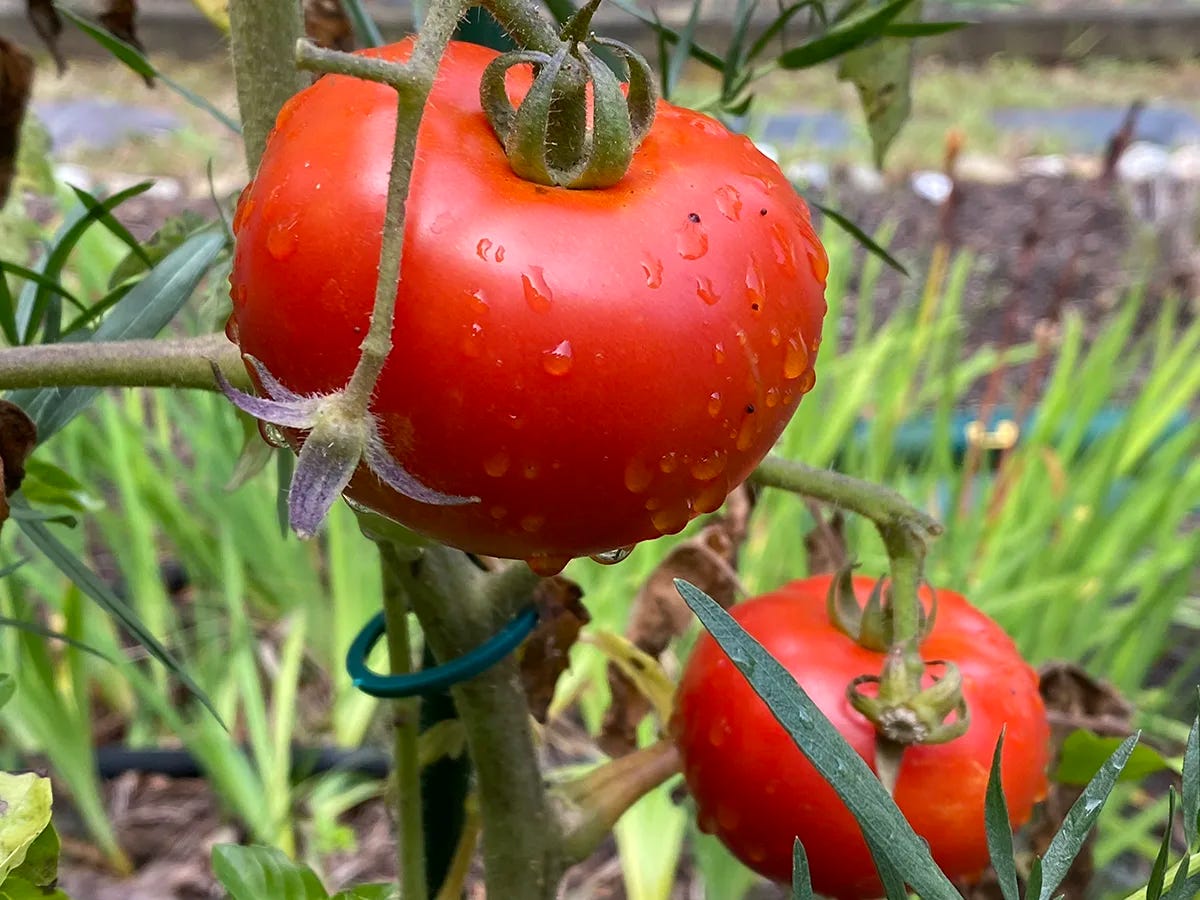
But growing your own garden tomatoes means selecting fruits that don’t necessarily do well on the supermarket shelves for one reason or another. My favorite of these is the Rutgers Tomato.
New Jersey has a long history of growing tomatoes — thus the moniker, the Garden State. A lot of factors contributed to the tomato crop in the state like the arrival Italian Americans, favorable growing conditions, and local demand for the fruits. But also the Campbell’s Soup Company’s location in Camden meant industrial production fueled tomato fields.
By the 20th century, New Jersey had a vested interest in the success of tomatoes. The state funded research into the plant through Rutgers University. The first Rutgers tomato premiered in 1934 and has become a cherished heirloom varietal.
The Rutgers is a great beefsteak-style tomato, a thick, juicy tomato slice great for sandwiches with tasty pulp. It’s not great for sauce, and a waste of a tomato that does well when eaten raw. Part of that is the tomato ripens from the inside out, so when the exterior is red, you know its ready to eat. Not all varietals are like that though, which is why some tomatoes are not ripe all the way through (another reason is tomatoes are often picked green, before they are matured and gassed to turn them red).
However, the great flavor, soft skin, and slow interior ripening of the tomato meant it was not a great fit for industrial farming, though it was beloved by tomato enthusiasts. For years, the Rutgers was hard to come by except at out of the way markets. n
Rutgers re-released an updated version in 2016. The Rutgers 250, as it was called, sold out of its initial 5,000 seed packets. The seeds were derived from a cold vault kept by the Campbell’s Soup Company of the original 1934 strain.
I bought a pack of Rutgers Tomato seeds from the Hudson Valley Seed Company. Their Rutger’s tomato seeds are derivative of the batch released in the 1970s, which is when the tomatoes became less popular commercially.
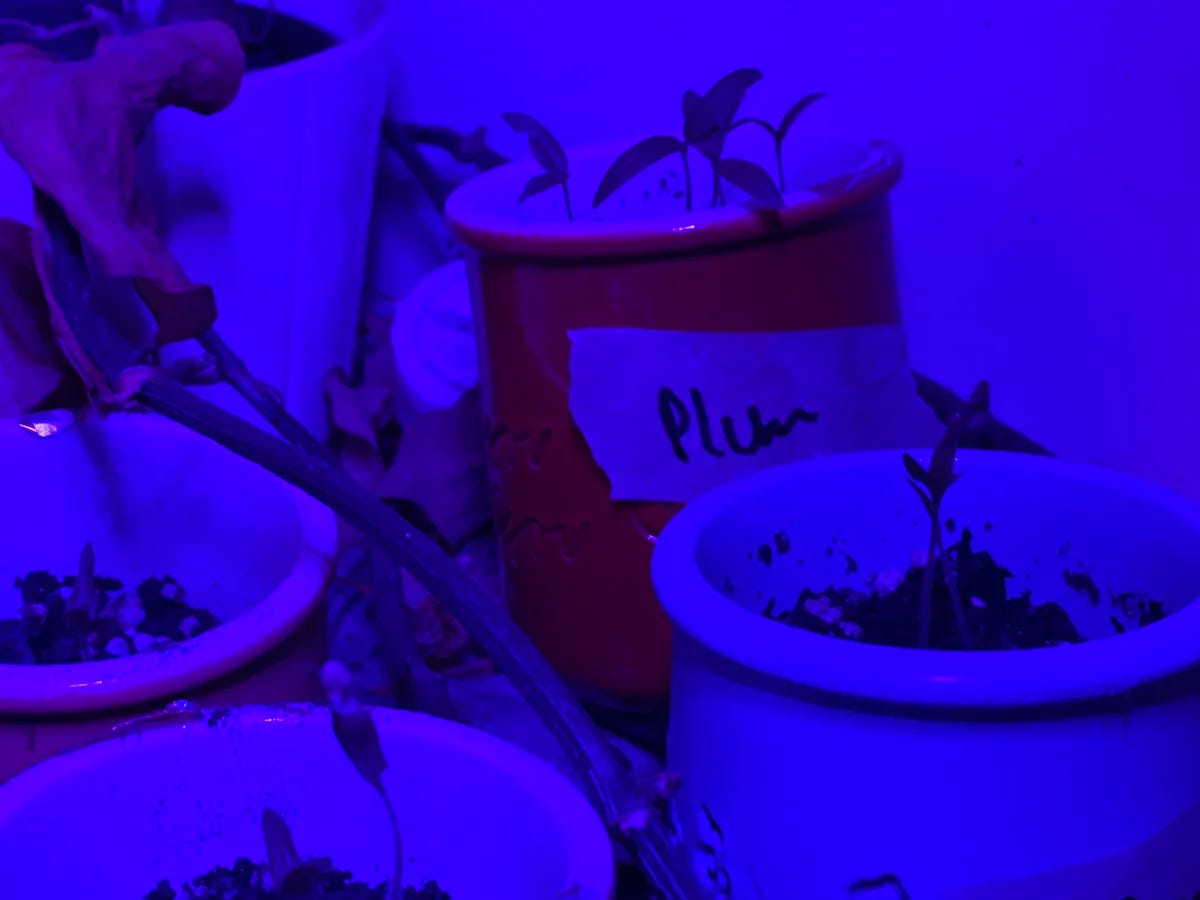
I actually bought the seed pack last year and wasn’t sure if it would even germinate since the package had just been sitting on my desk, but of the three seeds, I got three sprouting plants.
I potted them in La Fermiere ceramic yogurt cups and placed them under a grow lamp. They popped up about 4 days later and spent two weeks growing before we headed up to the Cape.
The seedlings were too small to transplant this past weekend. Note to self: start plants earlier next year. I did transfer them to larger pots, and hopefully in a week they will be ready to go in the ground. The seedlings from the nursery will have a head start on these plants, but it also means when those plants have exhausted their flowers, these other plants might just be fruiting.
The Rutgers isn’t the only heirloom in the garden this year. Several of the seedlings were labeled as heirloom, but what exactly they will look like, I’m not quite sure. At least one plant should be a black tomato, a dark heirloom varietal. I’ve also planted plenty of plum tomatoes which are ideal for making sauce, but at this point most of them aren’t well labeled and it will be a mystery that unfolds in July as to what might bloom.
I’ve done a better job of planting the tomatoes near complimentary plants like basil and added some marigolds that the internet told me we will help keep away pests. I’ve also added a good amount of tomato-specific fertilizer with plans to keep the plants on a more regular schedule of feeding.
When the harvest comes in, there’s plenty of tomato-focused recipes I plan on eating from tomato tarts to fried zucchini sandwiches topped with fresh slices of tomato. The Rutgers tomato is ideal for topping sandwiches alike a tomato, mozzarella, and fried zucchini sandwich. Expect a future update. But there’s one recipe were the tomato really shines: heirloom tomato salad.
Heirloom Tomato Salad
INGREDIENTS
Mix of heirloom tomatoes (maximize varietal, shape, and color)
Coarse sea salt
The very best olive oil you can afford
INSTRUCTIONS
Slice tomatoes into chunks
Gentle salt and let sit for about 10 minutes
Drizzle with olive oil and serve
The Latest
Industrial Farming is Killing Flavor
If you didn’t believe me that commercial farming preferences cheap harvesting and cheap shipping and pretty looking vegetables over good tasting food, here’s an article from the Guardian about the problem.
Candle Lady Swaps Greens for Dairy
Gwyneth Paltrow, best known for her work with scented candles, revealed on national television that she adds arugula to her coffee instead of milk.
Cheese Thieves
Stealing fancy cheese has become big business. Olivia Potts at Longreads dives into the story of how organized crime got cheesy.
Cold Temperatures Cause Higher Broccoli Costs
California’s Broccoli crop has been hurt by colder temperatures. Cauliflower and Broccoli have had volatile pricing since last year when the price fluctuated 230%.
Breakable Drinks
Confused about cocktail glassware? Punch has a guide explaining what to use with what kind of drink.
Nutella Ice Cream
Nutella has released ice cream flavored with and made from the hazelnut spread. We somehow got ahold of a pint over the weekend, and it wasn’t bad, but it was definitely a novelty. It was not quite as good as hazelnut gelato in Italy, but it was uniquely creamy.